Azerbaijan Future Studies Society Participated in the Conference of the World Academy of Art and Science
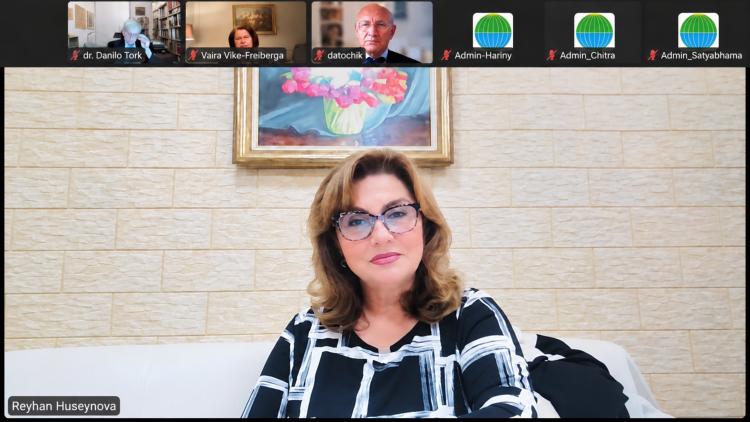
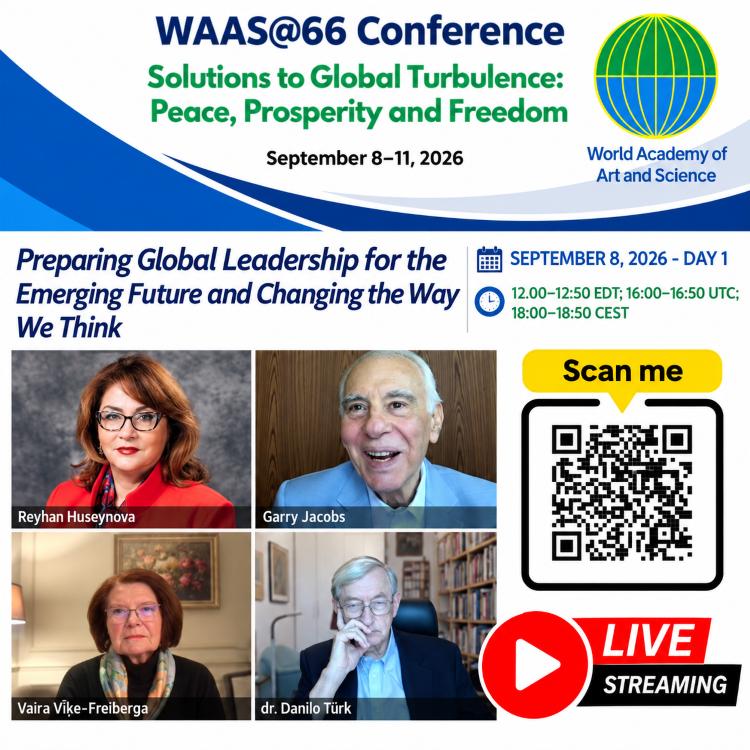
On September 8, 2026, Reyhan Huseynova, President of the Azerbaijan Future Studies Society, participated as a panelist in the international conference of the World Academy of Art and Science (WAAS).
The WAAS@66 Conference, “Solutions to Global Turbulence: Peace, Prosperity and Freedom,” is being held from September 8 to 11, 2026, bringing together representatives of academia, international organizations, public governance and the expert community to discuss key global challenges and possible solutions.
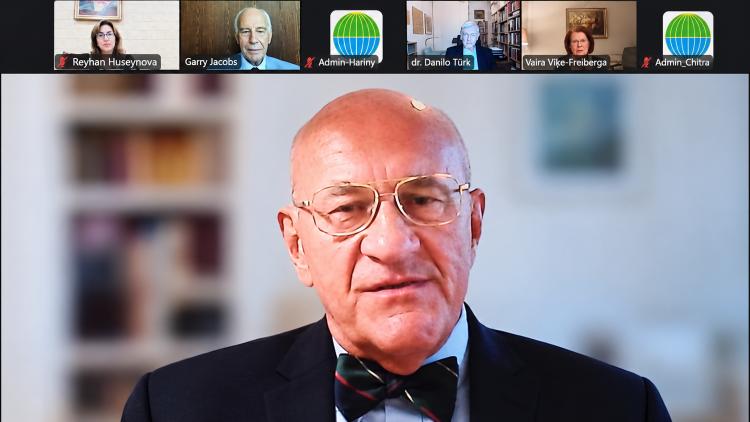
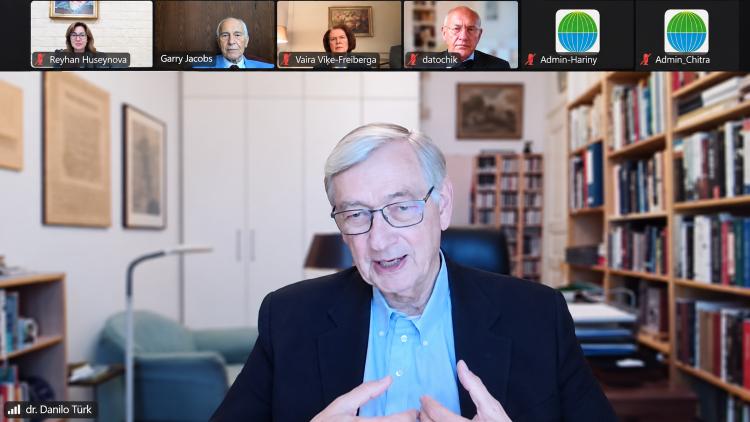
Reyhan Huseynova participated in the session “Preparing Global Leadership for the Emerging Future and Changing the Way We Think.”
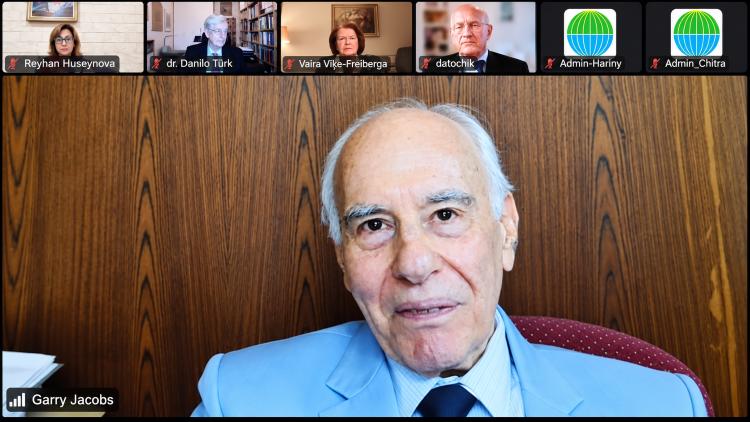
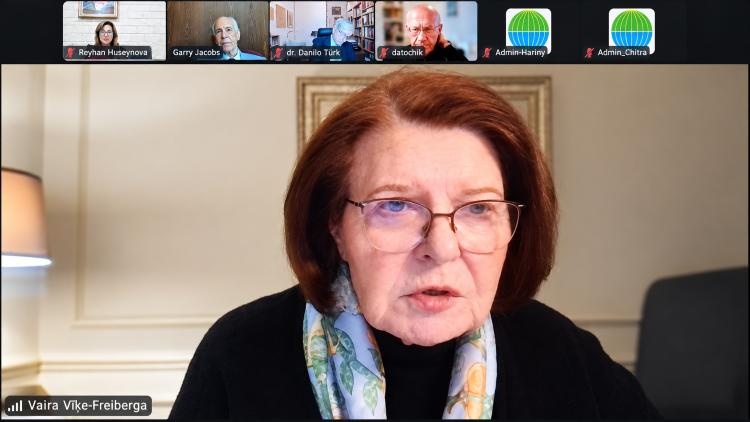
The discussion was moderated by Garry Jacobs, President of the World Academy of Art and Science. The panel also included Vaira Vīķe-Freiberga, former President of Latvia; Danilo Türk, former President of Slovenia; David Chikvaidze, Vice President of the Swiss Forum for International Affairs and former Chef de Cabinet of the Director-General of the United Nations Office at Geneva; as well as other international experts.
The central theme of Reyhan Huseynova’s contribution was education and the preparation of leaders for the future in conditions of growing complexity, rapid social change and the development of artificial intelligence.
In her remarks, she emphasized that deep expertise in a single professional field is no longer sufficient. Today’s leaders must be able to see connections between different processes, understand the consequences of decisions beyond their own sector, work with people from other professional fields and make decisions under conditions of uncertainty.
Particular attention was given to the role of artificial intelligence. AI can significantly expand analytical capabilities by helping to identify connections, compare alternatives and develop scenarios. However, final decisions and responsibility for their consequences must remain with people.
Reyhan Huseynova also stressed the need to rethink the approach to education itself. Its task is no longer limited to transferring knowledge, but increasingly includes developing the ability to navigate complexity, connect different fields of knowledge, form independent judgment, collaborate with others and effectively use new intellectual tools.
Another issue raised was the risk of a new cognitive divide between people who are able to use artificial intelligence and new intellectual environments effectively and those who remain outside these opportunities.
The presentation also highlighted the need for a broader understanding of concepts such as security, economic value and power. In a period of systemic global change, decisions increasingly need to be assessed not only through individual indicators, but also through their wider consequences for society.
The main conclusion of the presentation was that the leader of the future should neither try to know the answers to every question alone nor transfer this role to artificial intelligence. The task of leadership is to see the whole picture, connect different forms of knowledge and people, and use technology in ways that strengthen human thinking rather than replace it.
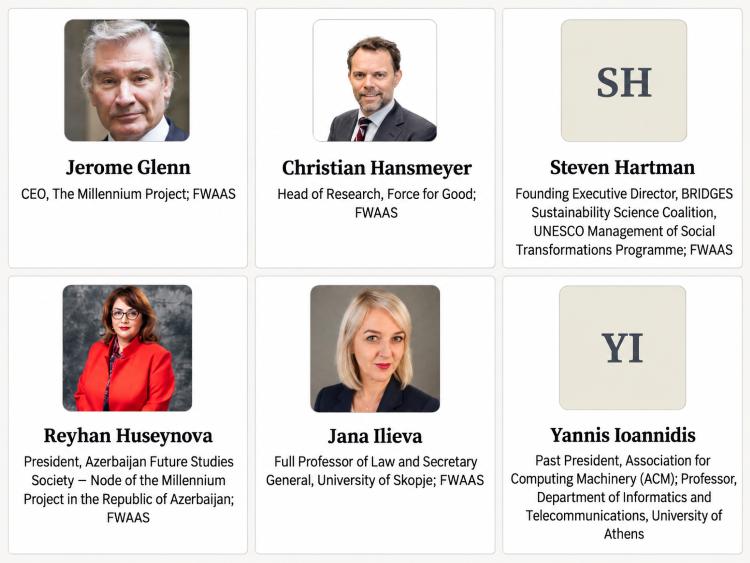
Reyhan Huseynova’s participation in the discussion followed her recent election as a Fellow of the World Academy of Art and Science and continued the international engagement of the Azerbaijan Future Studies Society in the fields of futures studies, education and global dialogue.